Anxiety & Attachment Therapist
Dr. Ibbie, The Attachment Doc
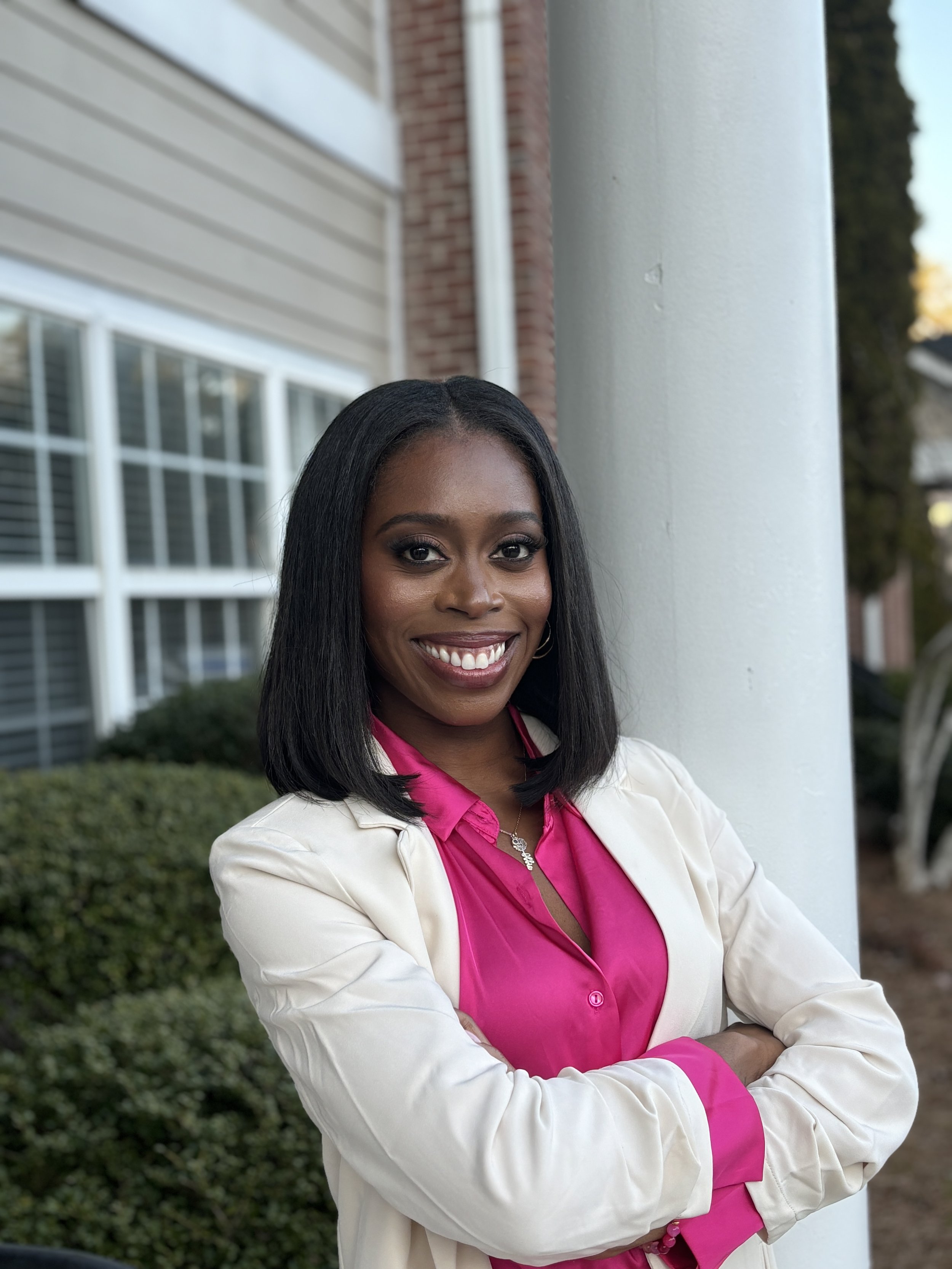
Hi, I’m Dr. Ibbie aka The Attachment Doc.
If you've found your way here, there's a good chance you're someone who thinks a lot.
You notice things. You analyze. You pick up on shifts in someone's tone. You replay conversations. You can probably tell me exactly what your pattern is and maybe even why you have it.
And yet…
knowing what you're doing doesn't always make it easier to do something different.
That's a big part of why I do this work.
I'm passionate about helping adults understand the patterns underneath their anxiety, relationships, and emotional reactions—not so you can spend even more time analyzing yourself, but so you can actually begin to change the way you experience and navigate your life.
My work centers around attachment, anxiety, relationships, emotional regulation, boundaries, people-pleasing, self-worth, and the wonderfully complicated ways all of these things can overlap.
And yes, I am probably a little more obsessed with attachment theory than the average person. 😂
But the more I’ve learned about it, the more fascinated I’ve become by how much it can help us understand the seemingly confusing things we do on a day-to-day basis.
Why do I chase when I feel someone pulling away?
Why do I shut down when things feel too vulnerable?
Why do I know I need a boundary but feel horrible when I actually set one?
Why can one text message completely derail my day?
Why do I work so hard to make everyone else comfortable while ignoring what I actually need?
Why do I keep second-guessing myself even when I’m actually really good at what I do?
Why do I procrastinate, avoid, or self-sabotage something I genuinely care about?
Why do I keep ending up in familiar patterns even when I consciously want something different?
Those questions are where my work really comes alive.
Because these patterns don't just show up in romantic relationships.
They can influence the way we navigate friendships, family, work, career decisions, success, conflict, uncertainty, and even the relationship we have with ourselves.
And when we understand the pattern, we have a much better chance of changing it.

My Approach: The Spiral Interrupter Method
Most people think relationship anxiety is about overthinking or “being too emotional.”
But in my work, I see something different.
When you're emotionally activated—waiting for a response, feeling misunderstood, sensing distance, navigating conflict, facing uncertainty, making an important decision, or feeling like you might have gotten something wrong—your brain can start treating the moment like an emergency.
Suddenly, everything feels urgent, personal, and absolute.
And that's when the spiral starts.
You might over-explain.
People-please.
Check.
Avoid.
Withdraw.
Shut down.
Overthink every possible outcome.
Second-guess yourself.
Or make a decision just to make the discomfort stop.
Maybe you send the text you probably shouldn't send. 😅
Or convince yourself you don't care at all.
The Spiral Interrupter Method is a practical framework I use to help you slow down that process before the automatic pattern takes over.
Together, we work on learning to:
Pause before reacting impulsively
Separate what is actually happening from what anxiety is adding
Identify what you need without abandoning yourself or others
Tolerate uncertainty without immediately needing to fix it
Notice when old patterns are influencing current decisions
Respond from clarity rather than emotional activation
Build trust in yourself instead of constantly looking outside yourself for reassurance
The goal isn't to never get activated.
You're human. That's not happening!
The goal is to become more aware of what happens when you do, so you can create enough space to choose what happens next.
Because that's where insight becomes real-time change—in your relationships, your work, your decisions, and the way you move through your life.

Why Attachment Theory?
My interest in attachment theory actually started before I ever knew it was called attachment theory.
Years ago, while working at a bar in Savannah, GA, I started noticing something that I couldn't quite explain.
I listened to my coworkers. I listened to patrons. I watched relationships play out around me.
And if you've ever worked at or stepped foot in a bar, you know you hear A LOT.
Breakups. New relationships. Family drama. Dating disasters. Workplace conflicts. The person someone was definitely over but somehow kept talking about every Friday night…
And underneath all of those stories, I started noticing patterns.
Different people. Different circumstances. But somehow, very similar ways of thinking, feeling, reacting, connecting, pulling away, and getting stuck.
I remember thinking:
“Huh. Why do we all keep repeating similar patterns?”
There has to be an explanation.
So I went back to school.
I wanted to understand people more deeply: not just what we do, but why we do it.
During my master's training and the years that followed, I discovered attachment theory.
And that’s when everything started clicking.
Here was a framework that helped explain so many of the things I'd been noticing: how our experiences shape the way we navigate closeness, rejection, conflict, safety, trust, uncertainty, and connection, and how those patterns can continue influencing us long after the original circumstances are gone.
The more I learned, the more fascinated I became.
And the more fascinated I became, the more I wanted to understand.
So I kept going.
I pursued additional training and specialization in attachment because I wanted to immerse myself in the research, the theory, and, most importantly, how we can actually use that understanding to create change.
Because I don't want you to spend years becoming an expert in why you are the way you are while continuing to feel stuck in the same patterns.
I want the insight to actually do something.
To help you pause before reacting.
To recognize what's happening while it's happening.
To make a different choice.
To build more secure relationships with other people and with yourself.
The overlap of deep understanding + real ACTIONABLE change is at the heart of my work.
Professional Credentials & Training
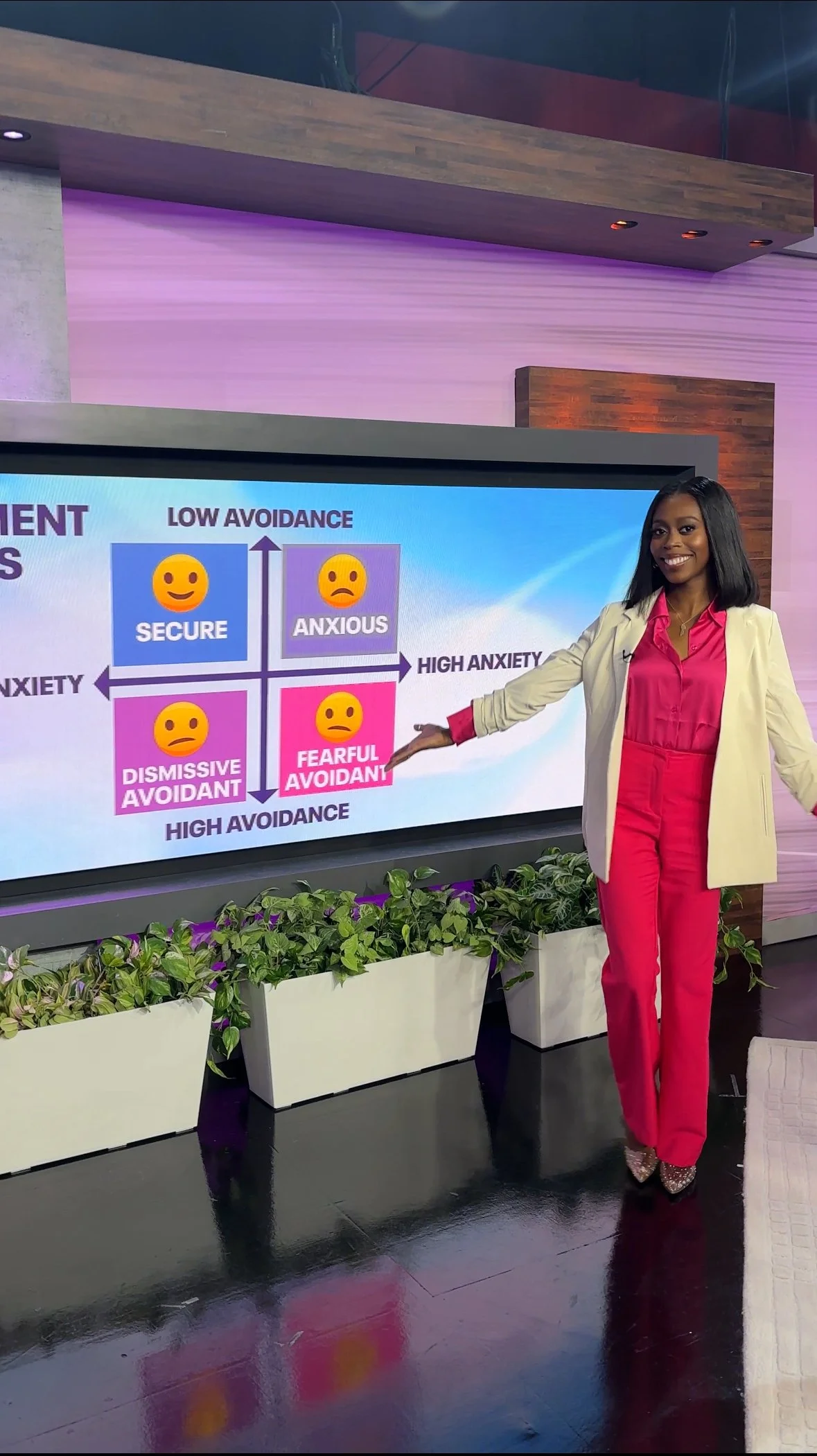
I am a Licensed Professional Counselor in Georgia, a Certified Integrated Attachment Theory Coach through the Personal Development School, and hold a PhD in Social Psychology where I studied dismissive avoidant attachment and pathways to secure attachment.
My clinical work is informed by professional training and experience in mental health, while my background in social psychology gives me a deeper lens for understanding how our relationships, environments, and experiences shape the way we think, feel, and behave.
I’ve also pursued specialized training in attachment theory and relational dynamics because, as you may have gathered by now… I really like this stuff.
I believe good therapy requires both curiosity and clinical skill: the ability to understand the bigger picture while also helping you make meaningful changes in your day-to-day life.
See What’s Happening on Social Media